
 Kalina Hyche
January has a reputation for being the month when everyone suddenly becomes serious about money. Budgets are rebuilt, subscriptions are canceled, savings goals are announced, and credit card statements from the holidays begin arriving. I have learned that waiting until January to prepare for January is already too late.

As a member of the National Guard, a working professional, and a mom of three, I rarely have the luxury of dealing with one financial system at a time. My household budget may include civilian pay, military pay, childcare, school expenses, holiday purchases, and costs connected to upcoming drill weekends or training. By the end of December, I do not need another ambitious resolution. I need a realistic plan for the money that will enter and leave my accounts during the first few weeks of the new year.
That is why I use the end of December as a financial transition period. I am not trying to reinvent my entire life before midnight on New Year’s Eve. I am simply reviewing what happened, preparing for what I already know is coming, and reducing the number of financial surprises waiting for me in January.
I Start With a Financial Debrief
Before creating a new budget, I look honestly at the one I just finished. The Consumer Financial Protection Bureau (CFPB) recommends assessing what you are actually spending rather than editing the numbers to reflect what you think you should be spending. That distinction matters after the holidays because it is easy to underestimate how much went toward gifts, travel, food, shipping, events, and small convenience purchases.
I review my bank and credit card transactions from November and December and group them into broad categories. I want to know how much I spent on holiday gifts, groceries, travel, entertainment, and unplanned purchases. I also look for expenses that were charged to a credit card but have not yet affected my checking account. This is not about making myself feel guilty for what I spent. It is about making sure January’s plan is based on real numbers.
If I use a credit card for holiday shopping, I decide how much I can pay immediately and what needs to be included in the next month’s budget. I would rather see the full amount in December than discover it one statement at a time in January.
I Build a January Cash-Flow Calendar
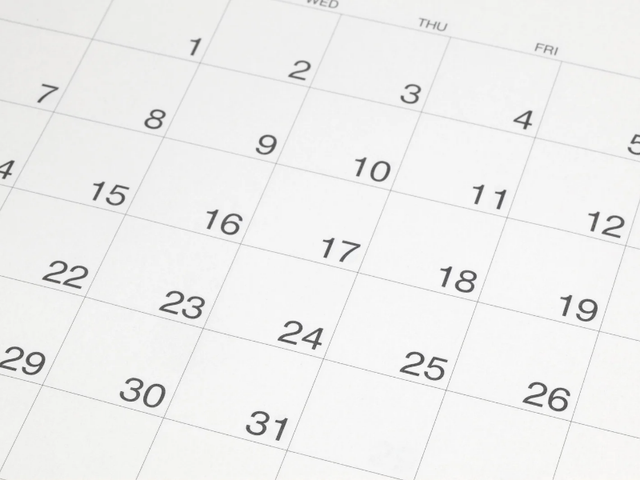
A monthly budget tells me how much money I expect to receive and spend. A cash-flow calendar tells me whether that money will be available on the day a bill is due. That timing is especially important for military families whose income may come from more than one source. A civilian paycheck, drill pay, spouse income, disability compensation, or other benefits may arrive on completely different schedules.
The CFPB recommends writing bill due dates on a calendar because financial strain is sometimes caused by the timing of income and expenses, even when the total monthly income should technically cover the bills. Before December ends, I place every known January expense on a calendar alongside my expected paydays. I include rent or mortgage payments, utilities, insurance, childcare, debt payments, subscriptions, school expenses, and any costs connected to military duty.
For Guard and Reserve families, this is also the time to check the upcoming drill calendar. A January drill weekend may mean additional gas, meals, childcare, pet care, or lost civilian work hours. Those expenses may not look significant individually, but they can affect the first paycheck of the year when they arrive together. Looking at January by date, rather than only by category, helps me identify a difficult week before it happens.
I Separate Predictable Expenses From Emergencies
January is full of expenses that feel unexpected but are usually predictable. Vehicle registration, annual memberships, insurance renewals, school fees, winter utility increases, medical deductibles, and post-holiday credit card payments are not always monthly bills, but they are also not true emergencies.
A real emergency fund is intended for unplanned expenses such as a car repair, medical bill, home repair, or loss of income. When predictable annual costs repeatedly come out of emergency savings, it becomes difficult to build lasting financial security.
I make a list of the larger expenses I expect during the next six to twelve months and divide each amount by the number of months remaining before it is due. That monthly amount becomes part of a sinking fund. For example, if I know a $600 annual expense is due in six months, I try to set aside $100 each month. The bill may still be unpleasant when it arrives, but it will no longer be a financial surprise.
I Give Holiday Debt a Specific Exit Plan
I do not enter January with a vague promise to “pay down the credit card.” I identify the holiday-related balance, choose the amount I can pay each payday, and estimate when it will be gone. If I have balances on multiple cards, I also review the interest rates and minimum payments before deciding which balance to prioritize.
The goal is to keep temporary holiday spending from quietly becoming long-term revolving debt. Military OneSource notes that excessive debt can affect financial health, increase dependence on credit cards, and make future purchases more difficult.
If the payment amount does not fit comfortably into my January budget, I look for specific places to reduce spending temporarily. That might mean pausing nonessential shopping, postponing a planned purchase, or directing part of an extra paycheck toward the balance. A defined payoff plan is much more useful than carrying the balance forward and hoping the next month will somehow be easier.
I Rebuild the Buffer Between Checking and Zero
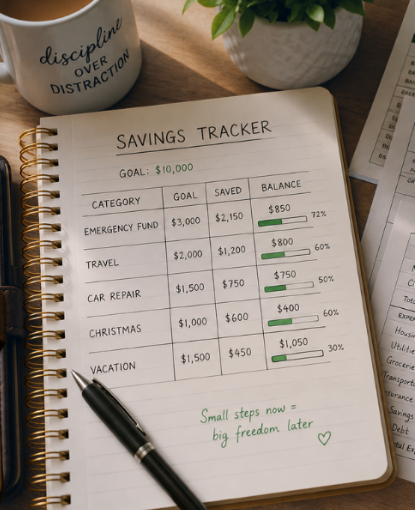
After an expensive season, I do not focus only on long-term savings goals. I also rebuild the small buffer that keeps routine spending from pushing my checking account dangerously close to zero. This is separate from a full emergency fund. It may simply be enough to absorb a higher utility bill, an extra tank of gas, or a prescription without relying on a credit card.
Military OneSource recommends paying yourself first and suggests saving a portion of income while continuing to build an emergency fund. I apply that advice in a way that fits the reality of January. Rather than waiting to see what is left at the end of the month, I schedule a manageable transfer shortly after payday. The amount does not have to be impressive. Consistency matters more than beginning the year with a savings goal that is too aggressive to maintain.
I Review Both Civilian and Military Pay
Citizen-Soldiers often have financial details spread across two employment systems. December is a good time to review both. I check my civilian pay information for expected benefit changes, insurance premiums, retirement contributions, and tax withholding. I also review my military Leave and Earnings Statement for pay, deductions, and any changes that may affect the new year. This is particularly important after a promotion, change in civilian employment, marriage, divorce, new dependent, deployment, major pay change, or significant increase in side income.
The IRS Tax Withholding Estimator can help workers review whether enough federal income tax is being withheld and generate an updated Form W-4 when a change is appropriate. For Guard members who receive income from both civilian and military employment, reviewing the combined tax picture can help reduce the risk of an unpleasant filing-season surprise. I do not assume that payroll systems automatically know what is happening in the other parts of my financial life. Each employer may be withholding based only on the information it has.
I Audit Automatic Charges
The end of the year is also when I review every recurring charge leaving my accounts. I look for streaming services, apps, cloud storage, memberships, delivery programs, children’s subscriptions, and free trials that become paid plans. I also check whether any annual subscriptions are scheduled to renew in January. I do not cancel everything simply because it is a new year. I ask whether we still use it, whether it saves us time or money, and whether a less expensive option would meet the same need. This kind of audit often creates room in the budget without requiring a dramatic lifestyle change. Canceling three small charges can free up money for a debt payment, sinking fund, or emergency savings transfer every month.
I Choose One Financial Priority
January encourages people to create long lists of goals. Save more. Spend less. Pay off debt. Improve credit. Increase retirement contributions. Build an emergency fund. Start investing. All of those goals may be worthwhile, but trying to prioritize all of them at once can make it difficult to see meaningful progress anywhere. Instead, I choose one primary financial objective for the first quarter of the year. It may be rebuilding emergency savings, paying off holiday debt, preparing for an annual expense, or increasing my retirement contribution.
Military OneSource provides financial tools, calculators, assessments, and free financial counseling to help service members and eligible family members evaluate debt, savings, retirement, and other financial priorities. Using those resources can be especially helpful when several goals feel equally urgent. My other financial responsibilities do not disappear, but one clear priority gives my extra dollars a purpose.

I Leave Space for Real Life
A January budget should not be so strict that one ordinary inconvenience causes it to collapse. I include room for irregular costs and avoid committing every available dollar before the month begins. Children get invited to birthday parties. Cars need maintenance. Training schedules change. Winter weather affects transportation and utility bills. Real life does not pause because a spreadsheet says the budget is complete.
Planning for January before December ends is not about predicting every expense perfectly. It is about making the most likely expenses visible, deciding where my money needs to go, and building enough flexibility to handle what I cannot predict.
By the time New Year’s Day arrives, I do not need to feel financially transformed. I simply want to know that January’s bills are accounted for, holiday spending has a repayment plan, my pay information has been reviewed, and my first financial priority is already in motion. The best financial reset is not the one that begins with the most ambitious resolution. It is the one that makes the next month more manageable.
Find Out More with My Military Savings and Guard Life!


 Jeanine McKelvy