 Jeanine McKelvy
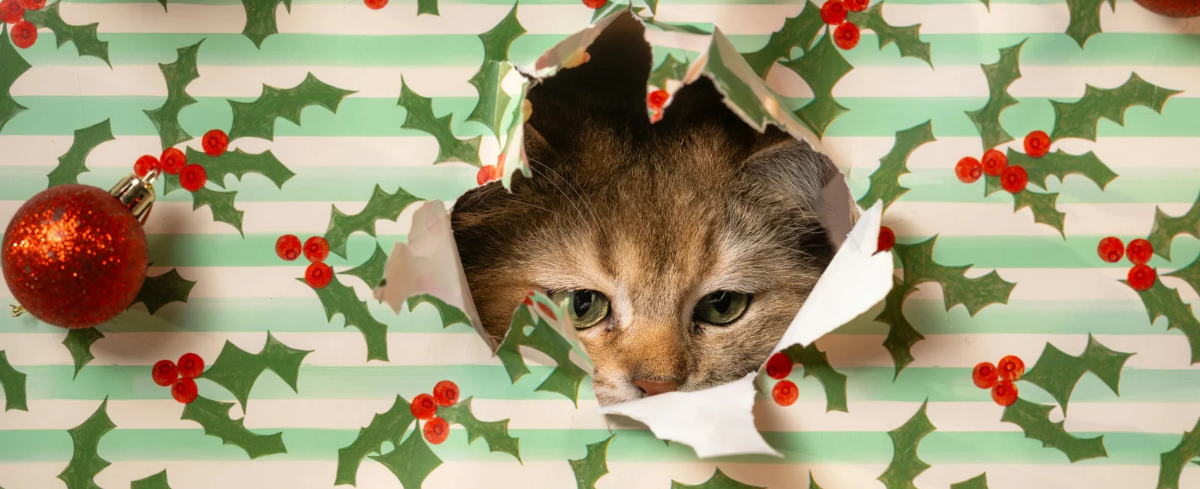
Every cat parent knows the drill: you purchase and unbox a pristine, high-priced item you purchased them, only for your furry feline companion to step over it completely and squeeze themselves into the small shipping box it arrived in. Perhaps you’re sitting on the floor unwrapping those Christmas presents, and the moment a sheet of paper hits the carpet, your cat dives onto it like it’s their life’s mission to destroy it. While it might appear like pure goofiness, this obsession isn’t random. A cat’s predatory instincts and sensory play makes cardboard and paper irresistible to items.
Security Space:
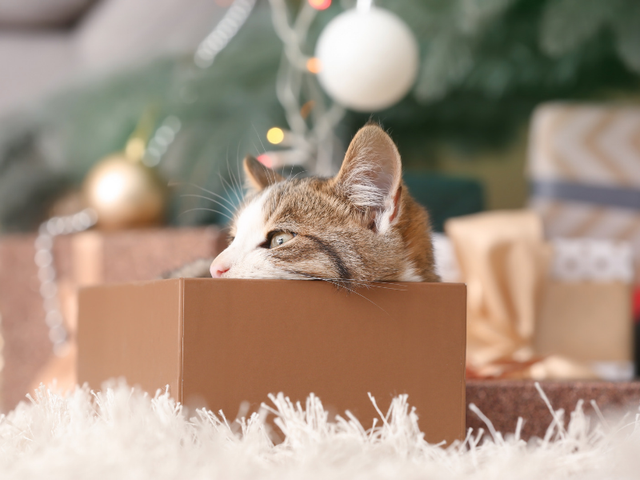
- At their core, domestic cats are both predator and prey animals. Enclosed spaces tap into their survival mood, which can make cardboard more appealing.
- Ambush Hide–Away: Wild cats rely on their stealth to hunt, so a cardboard box acts like a secret hideout that allows them to observe their surroundings until they’re ready to pounce.
- Stress Reduction: Studies have also shown that cardboard hiding spots can significantly lower stress levels by providing a physical safety barrier where cats can relax, curl up, and doze off.
- Insulated Heat: Cardboard is a natural insulator. A snug box traps body heat, keeping them cozy without expending extra energy.
Sensory Play:
- Cats have razor-sharp senses, and packing materials offer a unique sensory playground for them.
- High-frequency Sounds: The crinkling sound often mimics the high-frequency rustling of leaves or grass that a small rodent would make moving through bushes.
- Satisfying Textures: Wrapping paper slides across hardwood floors with ease and can be bitten, clawed, and shredded, making it an ideal target for predatory play.
Scent Marking and Territory:
- Territorial Domain: Paper and cardboard being highly porous, absorbs scents almost instantly. When cats roll around on wrapping paper or rub their cheeks against a box, they deposit scent marking pheromones from their facial glands, marking the item as a safe and familiar part of their home.
- Tension Release: Biting, clawing, and scratching at the cardboard provides a healthy physical outlet for excessive energy while helping your cat relieve their stress and maintain their claws.
Safety Play vs. Hidden Hazards:
- Safe Options: Plain cardboard boxes and unbleached tissue paper are excellent, cat-friendly choices for solo play.
- Ribbons & String: Avoid using these items, as they pose a severe ingestion hazard and can cause intestinal blockages if swallowed leading to a trip to the veterinarian.
- Metallic Foil & Glitter Paper: Skip decorative foil and glitter, as tearing can create sharp edges and swallowed glitter or toxic dyes can cause stomach issues.
At the end of the day, your cat’s obsession with boxes and wrapping paper isn’t just silly holiday antics…it’s a natural expression of their wild instincts, hunting drive, and desire for comfort. As long as you stick to safe, plain materials and toss out the dangerous ones, you can let your feline friend shred and snuggle until their heart’s content!
Don’t forget to check out the Military Cat Club for even more great tips & tricks for your favorite felines!
Find Out More with My Military Savings and Pets!