
 Charlie Marlow
For military families, housing decisions rarely feel simple. While civilians may talk casually about “building equity” or “locking in a great rate,” service members live in a world shaped by PCS orders, deployments, unpredictable timelines, and constantly shifting family needs. What makes sense for one family at one duty station may be completely wrong at the next.
A home can absolutely be a source of stability and long-term wealth, but it can also become a burden if purchased at the wrong time. The smartest choice often depends less on the housing market and more on where a service member is in their career and what their life looks like right now.
With that in mind, let’s walk through how the buy‑versus‑rent decision changes as military life unfolds.
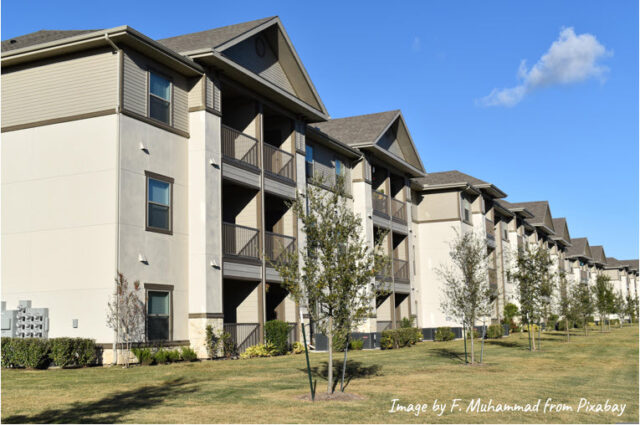
Early Career: When Flexibility Matters Most
For newer service members, especially those in their first enlistment or early officer years, renting is usually the safer path. Income is still growing, savings may be limited, and orders can shift with little warning. Renting gives individuals and families the freedom to move quickly without the stress of selling a home or managing a property from across the country.
It also shields from the financial surprises that come with homeownership. A broken HVAC system, a leaking roof, or a major plumbing issue can wipe out savings in an instant. Renting keeps those responsibilities on the landlord, not the service member.
Perhaps most importantly, renting gives families time to learn the area. The first duty station isn’t always the place you want to plant roots. Renting lets you explore neighborhoods, schools, commute times, and community life before making a long-term commitment.
Buying early in a career can work, but only when the assignment is long enough, the budget is stable, and there are enough savings to handle the unexpected. Without those pieces in place, it’s easy to end up “house poor,” stuck with a home that costs more than it’s worth in stress and financial strain.
Mid-Career: When Stability and Space Become Priorities
By the time service members reach mid-career, the picture often changes. Income is higher, financial habits are stronger, and families may be craving more stability. Better schools, more space, a yard, or a sense of community that’s hard to find in short-term rentals may be your priority.
This is the stage where buying a home can start to make long-term financial sense. A fixed mortgage offers predictable monthly payments, and each payment builds equity instead of disappearing into rent. Some families even turn previous homes into rental properties after a PCS, creating an additional income stream.
However, homeownership during active service still comes with challenges. PCS moves can force families to sell during a slow market or manage repairs from thousands of miles away. Becoming a landlord can be rewarding for some and overwhelming for others.
Buying mid-career works best when the family has strong savings, manageable debt, and a realistic plan for maintenance and PCS unpredictability. Be sure to consider whether the home would still be affordable if the family suddenly had to rely on one income. It’s also worth asking whether the purchase is a strategic financial decision or an emotional one.

Approaching Retirement: Building the Life You Want Next
As retirement draws closer, the housing conversation shifts again. Instead of thinking about flexibility, many families begin thinking about where they want to build their post-military life. Buying a home near retirement can offer stability, predictable housing costs, and the freedom to finally choose a home based on personal preference rather than military necessity.
A paid-off or low-mortgage home can dramatically reduce financial pressure in retirement. However, there are risks here, too. Some families buy too much house, assuming retirement pay will fully replace active-duty income. Transition expenses, healthcare costs, and uncertain civilian employment can make that assumption dangerous.
Before buying, it’s important to consider where you truly want to settle, what your retirement income will actually look like, and whether the home will still fit your needs as you age. Accessibility, healthcare access, cost of living, and long-term maintenance all matter more than they once did.
Questions Every Military Family Should Ask
No matter the rank or stage of service, a few questions rise above the rest:
- How long do we realistically expect to stay here?
- Do we have a strong emergency fund?
- Can we comfortably handle maintenance and repairs?
- Could we manage a PCS or deployment without financial strain?
- Would this home still be affordable if one income disappeared?
- Are we buying because it fits our goals — or because of outside pressure?
These questions aren’t meant to discourage homeownership. They’re meant to protect families from making decisions that don’t align with their reality.
So What Should You Do?
There is no universal answer to whether military families should buy or rent. For some, renting provides freedom, flexibility, and peace of mind. For others, buying offers stability and long-term financial growth. The best choice is the one that supports your family’s goals, lifestyle, and future plans.
Sometimes the smartest move is buying a home. Sometimes the smartest move is waiting…and in military life, flexibility itself is a powerful financial asset.
Find Out More with My Military Savings and Finance!


 Jeanine McKelvy