
 Charlie Marlow
A federal shutdown can disrupt pay, base services, and daily routines. Follow these steps to protect your family’s finances and well-being.
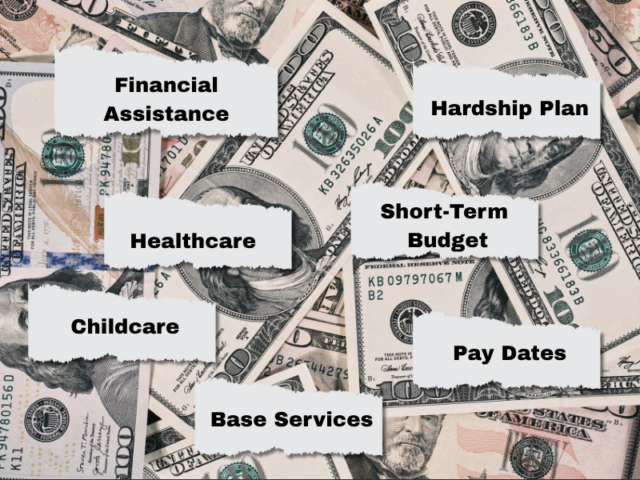
What to Expect:
- Active-duty pay continues but may be delayed—often the second paycheck after the shutdown begins.
- Base services and civilian support can be reduced or closed without notice; available programs vary by installation.
Immediate Actions:
- Confirm upcoming pay dates and check your direct deposit before spending.
- Create a short-term budget that covers housing, utilities, groceries, childcare, and prescriptions. Pause nonessential subscriptions and purchases.
- Contact creditors before due dates to set up hardship plans or payment extensions.
- Visit your Military & Family Readiness Center for financial counseling and local updates.
Financial Assistance Options:
- Service relief societies (AER, NMCRS, AFAS, CGMA) offer grants, interest-free loans, and counseling. They assist members of any branch.
- Military-friendly credit unions and banks (Navy Federal, USAA, PenFed) may provide 0% interest or payroll-advance programs; enrollment rules may apply.
- Installation nonprofits and programs (Armed Services YMCA, commissary hardship funds) often expand food and bill-assistance during shutdowns.
Healthcare, Childcare, and Base Services:
- TRICARE and military pharmacies operate, but routine or elective care may be limited—confirm appointments.
- Commissaries and Exchanges generally stay open; nonessential store hours and programs can change.
- Child development centers, school liaison offices, and family readiness groups may adjust hours—check with your Family Readiness Center.
Who to Contact:
- Chain of command for mission-critical guidance.
- Military & Family Readiness Center for emergency assistance and referrals.
- Service relief society office (AER, NMCRS, AFAS, CGMA) for grants or zero-interest loans.
- Your bank or credit union for paycheck advances or hardship programs.
- Base legal office for lease protections, eviction questions, or family law matters.
Parting Advice:
- Use loans and grants for genuine emergencies; prioritize non-repayable aid first.
- Keep records of all communications, approvals, and benefit changes.
- Monitor official channels and your Family Readiness Center—programs and guidance will evolve as the shutdown continues.
- Stay flexible and don’t panic. This too shall pass.
Find Out More with My Military Savings and Finance!