
 Alexandra Pruitt
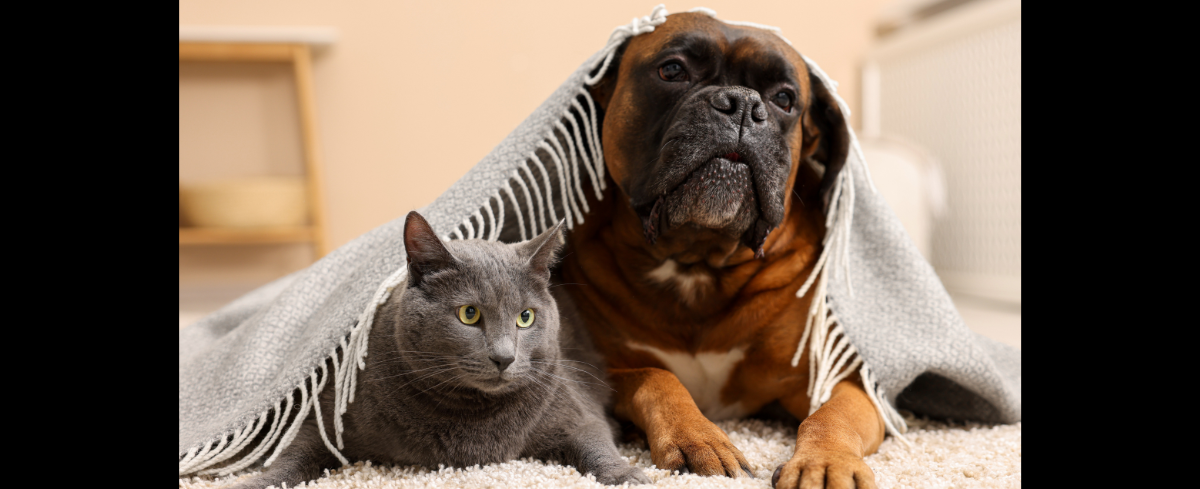
Just like in people, stress can trigger behavioral and physical reactions in pets. Preventing stress is a better option than treating it. The goal is to create a safe environment where your pets can relax with you or have a space they can retreat to and huddle in during times of high stressors.
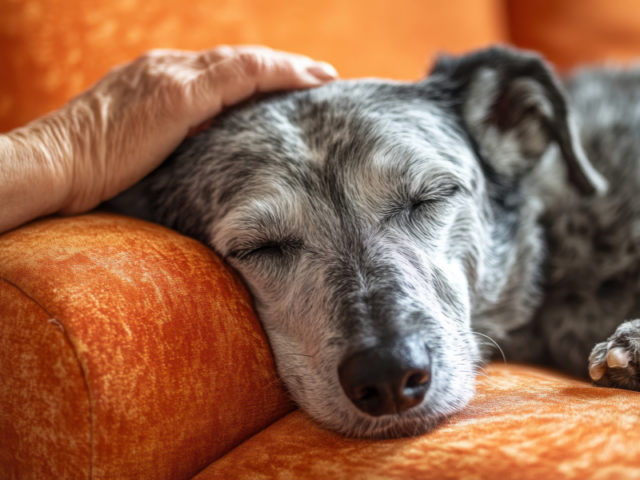
Here are a few methods popular for many different types of animals:
- Create a Calm Environment – All pets require a quiet room or a designated, isolated spot, such as a closet or under the bed. Some pets (birds and rabbits) prefer a crate or to have their cage covered during high-stress events.
- Have a Routine – Regular feedings, walks, and scheduled play times help maintain calm.
- Use Positive Reinforcement – Reward calm behavior in stressful situations with a favorite treat.
- Desensitization – Introduce stressors (such as nail trimming and socializing with other animals) in small, incremental steps.
- Reduce the Effects of Loud Noises – Use the sound from your TV, radio, or smart device to provide background noise and lessen the suddenness of sounds like fireworks, motorcycles, or the screaming children next door. You can also generate white noise on your smart devices to promote calmer sleep times.
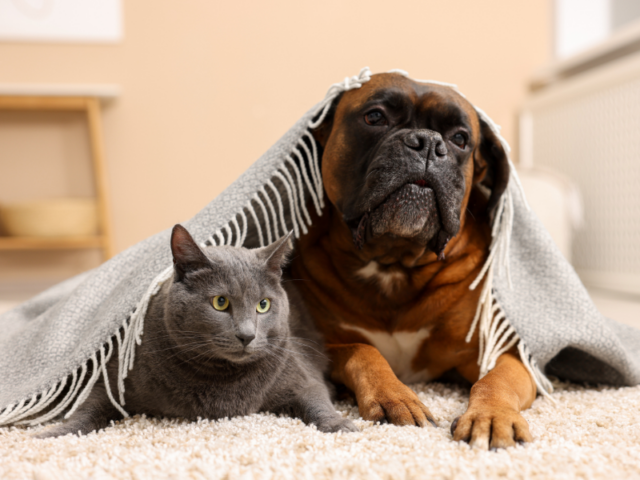
In case you’re a new pet owner, here are a few stress signals to look for in your furry, feathered, or scaly companions:
- Cats: Watch for hiding, over-grooming, and litter box issues.
- Dogs: Look for pacing, whining, destructive behavior, or changes in appetite.
- Birds: Keep an eye out for feather plucking, changes in vocalization (increased screaming or sudden periods of silence), loss of appetite, and excessive crouching or flattening feathers
- Lizards and Snakes: Stay attentive to lethargy, longer sleep and resting, hiding, loss of appetite, and changes in skin color or texture.
Increased Aggression is a stress signal common to all of these pets. Sudden snapping, clawing, or striking when there is no cause needs addressing immediately.
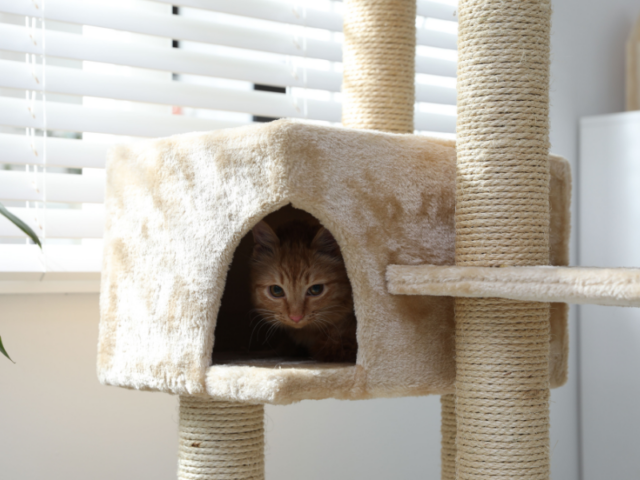
If there are no outside stressors such as fireworks, new locations, or strange animals nearby, and your pet is still giving signals, contact your veterinarian. They can provide additional methods to help lower stress and schedule a visit to determine if there might be a physical problem.
Find Out More with My Military Savings and Pets!

 Lasonja Williams
 Rachel S
 Kalina Hyche


