
 Tatjana Whitesides
Losing a pet is heart-wrenching, and the grief that follows is at times unbearable. When a pet goes missing, it is hard to resist the fear and panic that tries to set in. That old adage, “it’s a marathon, not a sprint” is very appropriate for the journey of finding a missing pet. However, ultimately it is best to focus your energy on what needs to be done to bring your pet back home.
It is easy to be overwhelmed with information about what to do when a pet goes missing. One of the most important things to remember is to stay calm. The American Humane Society reports that approximately 10 million cats and dogs are stolen or go missing each year. Several factors contribute to the chances of a pet making it home…a cat’s temperament, wearing an ID marker, having a microchip, the location, predators, and even the weather can impact a safe return. The good news is that over 70% of missing cats return home.
Over 20 years as a pet owner, I’ve had two different cats sneak out through a door to the house and go missing. Shadow was missing for a week when we were stationed in Germany. Freya went missing for a very painful 6 weeks in Illinois. There were times in each circumstance where we thought we’d lost them forever. Thanks to people who’d given us such great tips on how to find them, we were able to bring both back home safely. These suggestions are tried and true, and I hope they can help anyone who has lost their pet.
So where do you begin?
Walk Your Neighborhood
You may feel ridiculous, but walking around your neighborhood and calling out your pet’s name is one of the best ways to find them. Cats can hear sounds up to 3 miles away (depending on conditions). When you call their name, take a moment to listen for them to respond.
While stationed in Germany, our cat Shadow bolted out of the door and was missing for over a week. We found him by canvassing the neighborhood and calling his name. Eventually, we heard him meow back, and we were able to determine he was stuck in the storm sewers under the street. With a little work we were able to free him and bring him back home.
The Search Begins
When you begin your search for your pet, start close to home. Most cats are found within 50 meters (or 5 house) radius. For cats, it’s best to check backyards under sheds, in trees, in wood piles, under bushes, decks, in storm sewers, under your grill, etc. Bring your flashlight for checking those nooks and crannies! Cat have a floating collarbone, if their head will fit, so will the cat.
Check with your neighbors and ask if they’ll let you search their yards (most people won’t crawl in the dirt to look under a shed). Walking around at night with a flashlight is also recommended when searching for a cat. The flashlight will catch the light of the cats eyes, and cats are more active at night.
If you are lucky enough to find your cat, approach quietly and calmly while they get used to your presence. They are most likely terrified and may need a gentler approach.
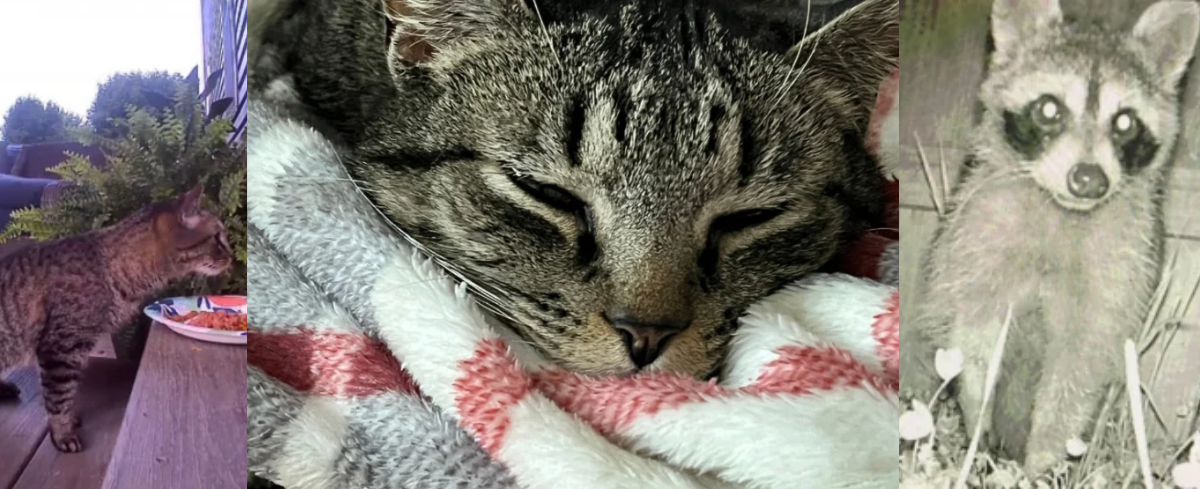
We found Freya by looking under a neighbor’s shed. Unfortunately, in the efforts to get her to come out from under the shed, she got even more scared and ran off, and we spent another 3 weeks trying to find and catch her. We also printed a map of our neighborhood and kept track of the locations we had checked. We marked areas she could possibly be hiding and checked those places more often.
Use Your Resources
There are so many ways these days to get the word out about your missing cat. Utilize those resources for the extra eyes and the technology that can help bring your cat home.
First, call or go online to report your missing cat to your microchip company.
Call your veterinarian and start calling the shelters to let them know about your cat. Many of them have an online lost pet reporting option. It’s recommended by experts to visit shelter directly in case there is any confusion about your cat’s description. I was informed by our shelter that one of the first things they do when a cat is brought in, is to check for a microchip.
Hang up some posters about your missing cat. Many of the microchip companies even provide missing pet posters with their contact details included which keep you from having to put your phone number on the posters. Put the information on colored paper or posterboard to help grab attention and laminate them so you are prepared for bad weather.
Join your local Lost Pet groups online, and include a good description, contact information and photos of your cat. Many people in those groups have gone through something similar and may be able to help look for your cat or point you toward local resources.
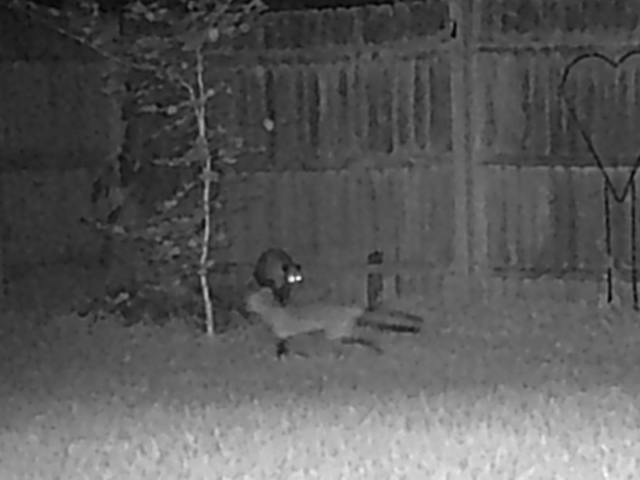
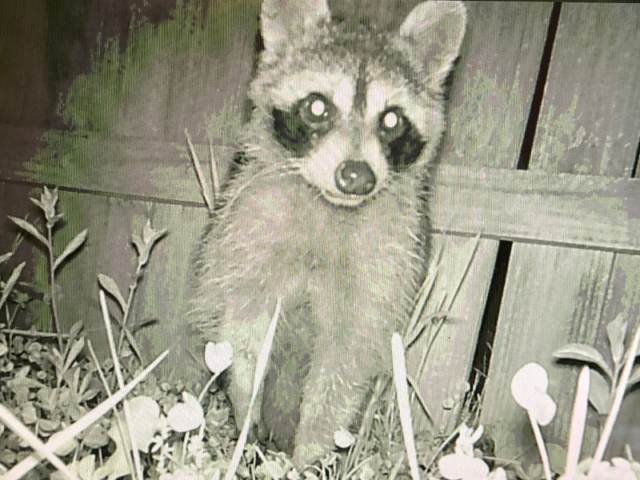
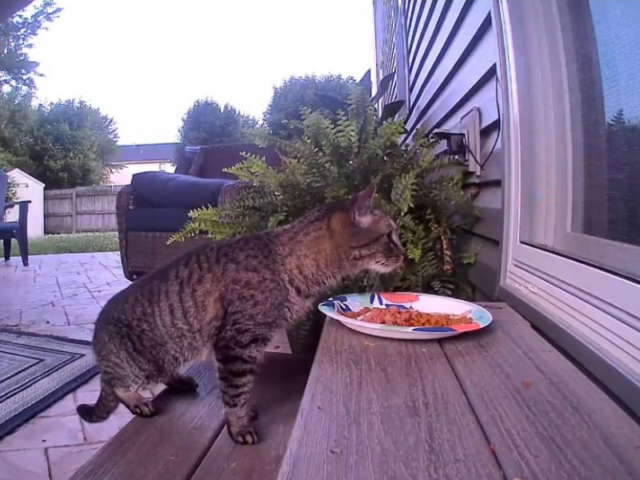
An inexpensive trail cam or bird cam can also be a good tool to utilize. Place them strategically to see if your cat is coming into your yard, or from a certain direction. This can also be helpful in placement of traps if needed, tracking the time they might be coming around, or any threats such as wildlife that might be keeping them away.
When Freya went missing, our pet posters gave us some good tips. We did use our personal phone number on them, which I was initially hesitant about, but not one single person used it except to try to help. What was especially sweet to us was how many kids were trying to help us find her! The lost pet group I found online was very comforting, and helpful when she was missing. Some days just hearing the success stories helped us to not give up hope.
The Chum Trail
One strategy to get your cat home involves scent. A cat’s sense of smell is about 14 times stronger than that of a human and experts believe cats can smell up to 154 feet away. Put out an article of your clothing (worn and unwashed is best) or food to draw your cat home. When putting out food, be mindful that it may attract other wildlife to your yard. You can also lay down scent lines or a “chum trail”. Use smelly food such as sardines mixed with water (or smelly cat food) and put small amounts in a line towards your home making sure to keep it away from high traffic areas. The goal is to help lure your cat home.
As a last resort, try putting out your cat’s uncleaned litter box. Don’t put it out too soon, or it can draw strays that will mark their territory and keep your cat away.
We tried the clothing, food, and litterbox when Freya went missing. Unfortunately, we attracted a couple strays and other animals that may have contributed to her being gone so long. We were able to confirm this with our trail cams and bird cam. We live in a suburban neighborhood and saw several animals on camera: raccoons, a fox, possums, and several cats. Thankfully we also saw Freya on camera a few times and were able to identify a pattern.
Trapping
If you need to trap your cat to bring them home, get one of the humane traps and put them close to your home. Inside the trap place a towel or newspaper over the floor of the trap. Put a bowl with smelly food at the back end of the trap and make a small chum trail from the bowl to the entrance of the trap. Cover the top of the trap with a towel or piece of clothing that smells like home, leaving the entrance and back of the trap open to allow the smell of the food to get out. Put the trap somewhere quiet and protected. You want your cat to feel safe enough to go in the trap and get the food.
Make sure you check your trap frequently and be prepared to catch a stray cat or even other wildlife. Your cat is scared and most likely to be active in the quietest hours between 7pm-5am.
Return and Reintegration
Once your cat is home, consider getting them an appointment with the veterinarian as soon as possible. Your cat may look okay but have hidden injuries or parasites. They could also be malnourished or dehydrated. Most veterinarians will recommend a quarantine period for your cat if there are other animals in the home. Your cat will probably sleep a lot the first few days, maybe longer if they’ve been gone awhile. This is a normal response after their big adventure. If they are skittish in nature, calming treats or pheromones may be helpful as well.
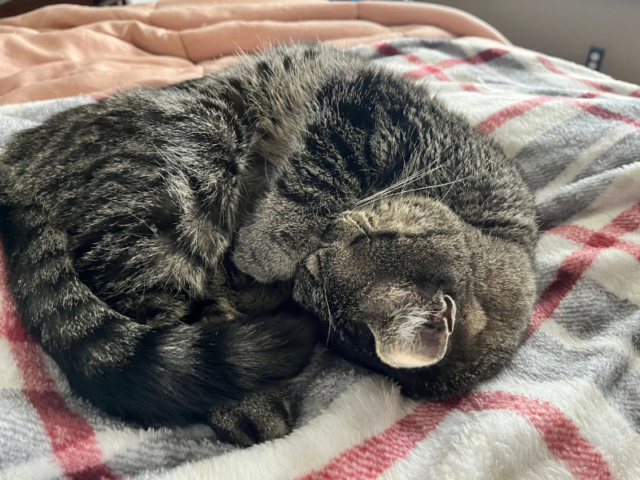
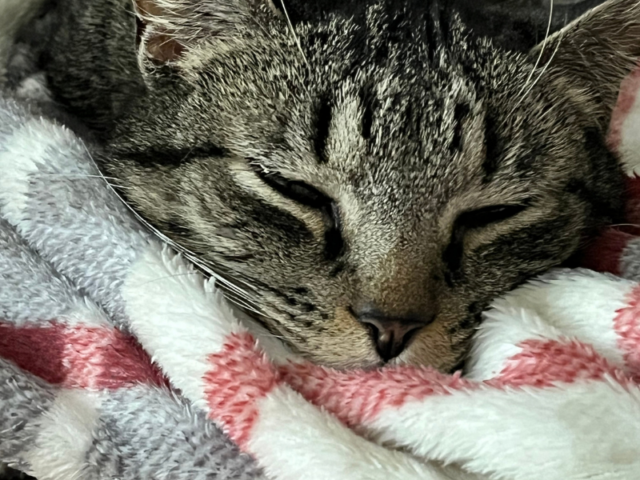
When Freya came home, she had lost 30% of her body weight. She has a small scar where she had sustained an injury. I’m glad we had her checked out because since she looked okay, I never would have realized she had gotten a parasite. She slept and ate constantly for almost 2 weeks. Once her quarantine was over, she was still a bit more skittish around the other cats in our home.
If you have a lost cat, don’t give up hope. Start with a plan and then focus on putting one thing in place at a time. Ask your friends and family for help and utilize resources.
Find Out More with My Military Savings and Pets!


 Rachel S
 Lasonja Williams
 Jeanine McKelvy


